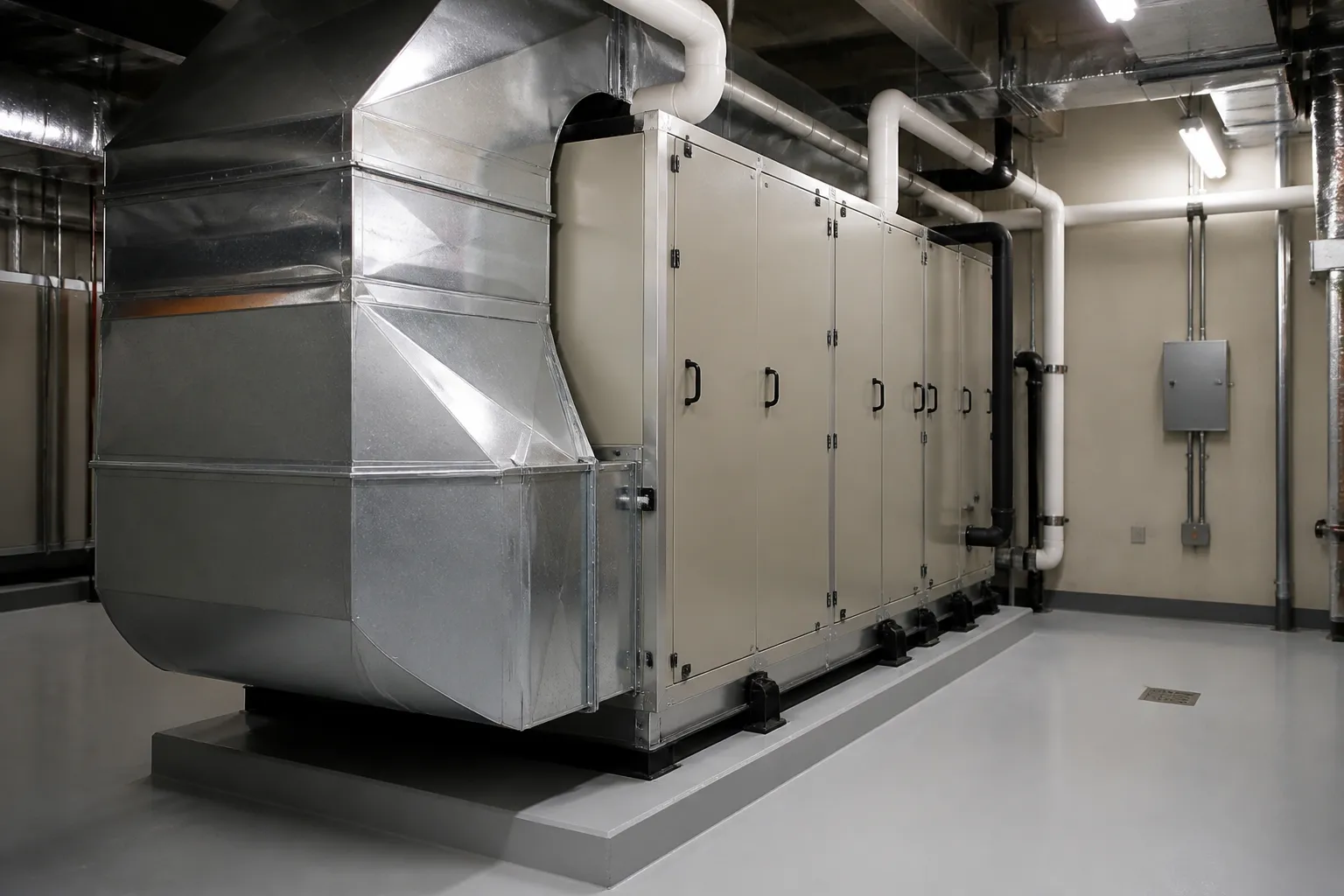
When a commercial HVAC or refrigeration unit starts acting up, the first problem is often not the equipment itself. It is the missing details: what failed, what was checked, what was replaced, and what still needs attention. Without that record, the same concerns can come back with less warning and more disruption.
SNL Mechanical Services provides detailed service reporting for Whiting, New Jersey and nearby commercial properties, so you are not left guessing after a visit. We document the condition of the system, the work completed, and any follow-up recommendations in a format that is easy to review and share.
A good service report should do more than say a unit was inspected. It should tell you what the technician found, what was tested, and what happened during the visit. That kind of detail helps owners, managers, and maintenance staff make informed decisions without repeating the same diagnostics later.
Our reports focus on the items that matter most for commercial HVAC and refrigeration equipment:
When SNL Mechanical Services finishes a call, you have a written record that reflects what was actually done, not just a brief summary.
Commercial systems rarely fail without warning. More often, they show small signs first, such as inconsistent temperatures, repeated control faults, short cycling, unusual operating behavior, or performance that changes from one visit to the next. Detailed reporting helps connect those dots.
For properties across Whiting, New Jersey, strong documentation can help you:
When the same equipment shows the same symptoms again, past reports make patterns easier to spot.
Clear notes help you decide whether a repair, replacement, or additional service is the better next move.
Instead of relying on memory or partial notes, you can review what was tested and what was ruled out.
Service history is easier to reference when reports are consistent and readable.
That level of detail is especially helpful when multiple people oversee a property or when equipment receives visits over time.
Detailed reporting starts with a clear look at the equipment and the reason for the visit. We begin by listening to the concern, checking the system, and recording what we find before any work is completed. That keeps the report tied to the actual condition of the unit, not assumptions made afterward.
We note the reported symptoms, the equipment involved, and the conditions present when service begins. If there are signs of a control issue, refrigeration concern, or mechanical fault, those details go into the report early so nothing important gets overlooked.
As testing and repairs move forward, we document the steps taken, readings observed, and parts or adjustments involved. If the visit includes preventive maintenance, equipment troubleshooting, or system diagnostics, the report reflects that process clearly.
Once the visit is complete, the report summarizes what was found, what was corrected, and what should be watched next. If further service is recommended, we explain why so the next step is easier to plan.
Detailed service reporting should be useful the moment you read it, not buried in jargon. We write reports that help commercial property owners and managers understand the condition of their systems without having to translate technical notes.
Depending on the service performed, your report may include:
For customers who rely on refrigeration or HVAC equipment to support daily operations, this kind of record helps keep communication straightforward and organized.
If you oversee multiple units, tenants, or service requests, the details behind each visit matter. A short note that says a system was “checked” does not give enough direction when another issue appears later. A detailed report does.
Property managers in Whiting, New Jersey often use service reports to compare equipment history, review recurring symptoms, and decide where to focus next. When a report includes clear findings and follow-up notes, it is easier to coordinate with ownership, vendors, and site staff.
When reviewing reports, look for:
SNL Mechanical Services keeps the reporting practical so the person reading it can act on it.
Commercial refrigeration service often depends on timing and clarity. If a unit is struggling, the report should show what was tested, what the readings suggested, and whether the problem pointed to controls, performance, or another mechanical concern. That written trail can make later decisions much easier.
Detailed reporting is valuable after refrigeration troubleshooting, equipment startup and commissioning, and equipment replacement work. It helps confirm what was done and gives your staff a clean reference for future visits. When refrigeration concerns return, earlier reports can show whether the issue is new or part of a longer pattern.
Commercial HVAC systems can show signs that are easy to miss without careful notes. A unit may run, but not respond the way it should. A control issue may appear only during certain operating conditions. A report captures those details before they get lost.
We use reporting to document HVAC service and repair work, electrical controls troubleshooting, and preventive maintenance observations. That makes it easier to understand how the equipment is behaving and what should be watched between visits.
For Whiting, New Jersey businesses and property owners, strong HVAC documentation can support better planning, especially when equipment has a history of repeated concerns or changing performance.
Reports typically include the reason for service, the testing completed, the findings, the work performed, and any follow-up recommendations tied to the equipment.
Owners, property managers, maintenance staff, and operations personnel often use them to review equipment history and plan the next step.
Yes. Clear service notes make it easier to compare new symptoms with past visits and identify patterns that would otherwise be easy to miss.
They are. A detailed record of equipment replacement helps show what was changed, how the system responded, and what should be monitored next.
They do. When service notes are consistent, it is easier to decide which units need closer attention and which systems are stable.
Yes. When we complete equipment startup and commissioning, the report can reflect the observations, tests, and initial performance notes from that visit.
If you want clearer records for your commercial HVAC or refrigeration equipment, SNL Mechanical Services can provide detailed service reporting that keeps Whiting, New Jersey properties easier to manage. You will know what was checked, what was corrected, and what deserves attention next.
Call +16093614711 or email scott@snlmech.com to arrange service with an owner-operated contractor that keeps communication direct and the paperwork useful.
Get Started
Tell us what system needs attention, whether it is maintenance, troubleshooting, repair, startup, or replacement. We will review the issue and help you take the next step quickly.